Mission Statement
"To transform urban spaces into thriving, biodiverse ecosystems by restoring soil health, planting native canopies, and empowering communities to co-create a wilder, greener future."
Everyone is so busy they forget to look around, spend time outside, and get some fresh air. The problem is what’s immediately outside their door often isn’t worth stepping into. The typical residential yard is uninspiring: a patch of grass bordered by a white plastic fence. It’s hardly cause for excitement. The air may not smell fresh, and summers are getting hotter every year. It’s become rare to see snow during the winter due to reduced precipitation.
We need to start thinking differently. Why do we plant only grass in our yards? Why are so many fences artificial and uniform? Why were trees, native plants, and wildlife removed when neighborhoods were built and we don’t bother to put them back? Why is any plant besides grass labeled a “weed” the moment it appears? Why do we routinely spray chemicals to kill those plants, and we’re ok the cost is killing off the fish in our lakes?
The truth is the planet is in trouble. We condemn the loss of the Amazon, yet accept low biodiversity in our own properties and cities. It’s time to reimagine what a healthy yard and urban environment should look like. It’s time to set a better example for our children before we leave them an even bigger mess to clean up. We can no longer be ok with the idea that ignorance is bliss. As much as politics likes to own environmental issues, they don’t belong to them. They belong to us. We are the solution. We can’t put the responsibility on someone else to fix our mess anymore.
The Urban Rewild Project is dedicated to inspiring, educating, and working hard to bring back nature and biodiversity to urban environments. Property to property, city to city, we can have an incredible impact and create a better world. You and me together, a community. That is the legacy of The Urban Rewild Project, and we hope you decide to make it your own.
In a Nut Shell
The What:
Build soil health
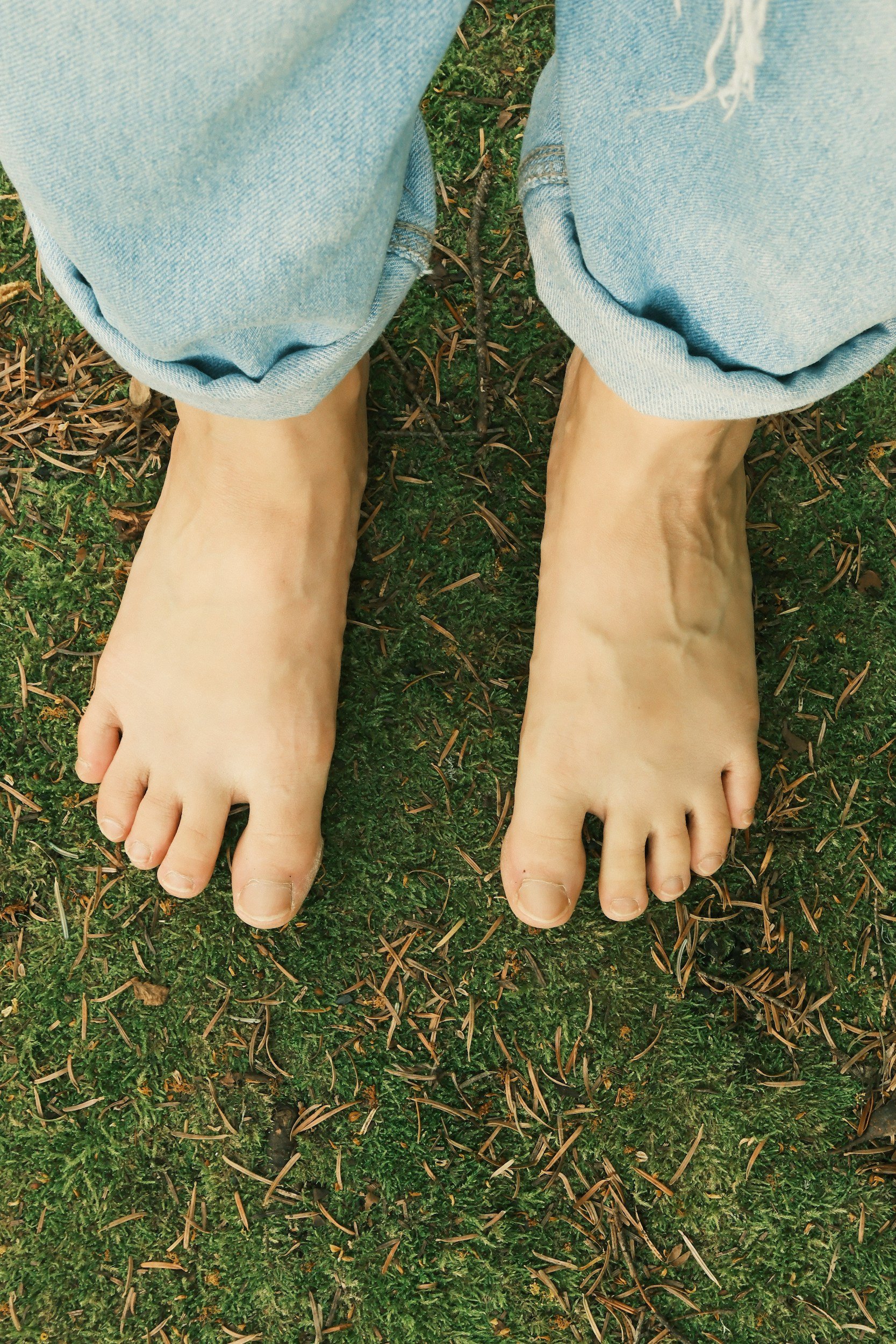
Spend time barefoot when in your yard (as long as you have a safe environment for that)
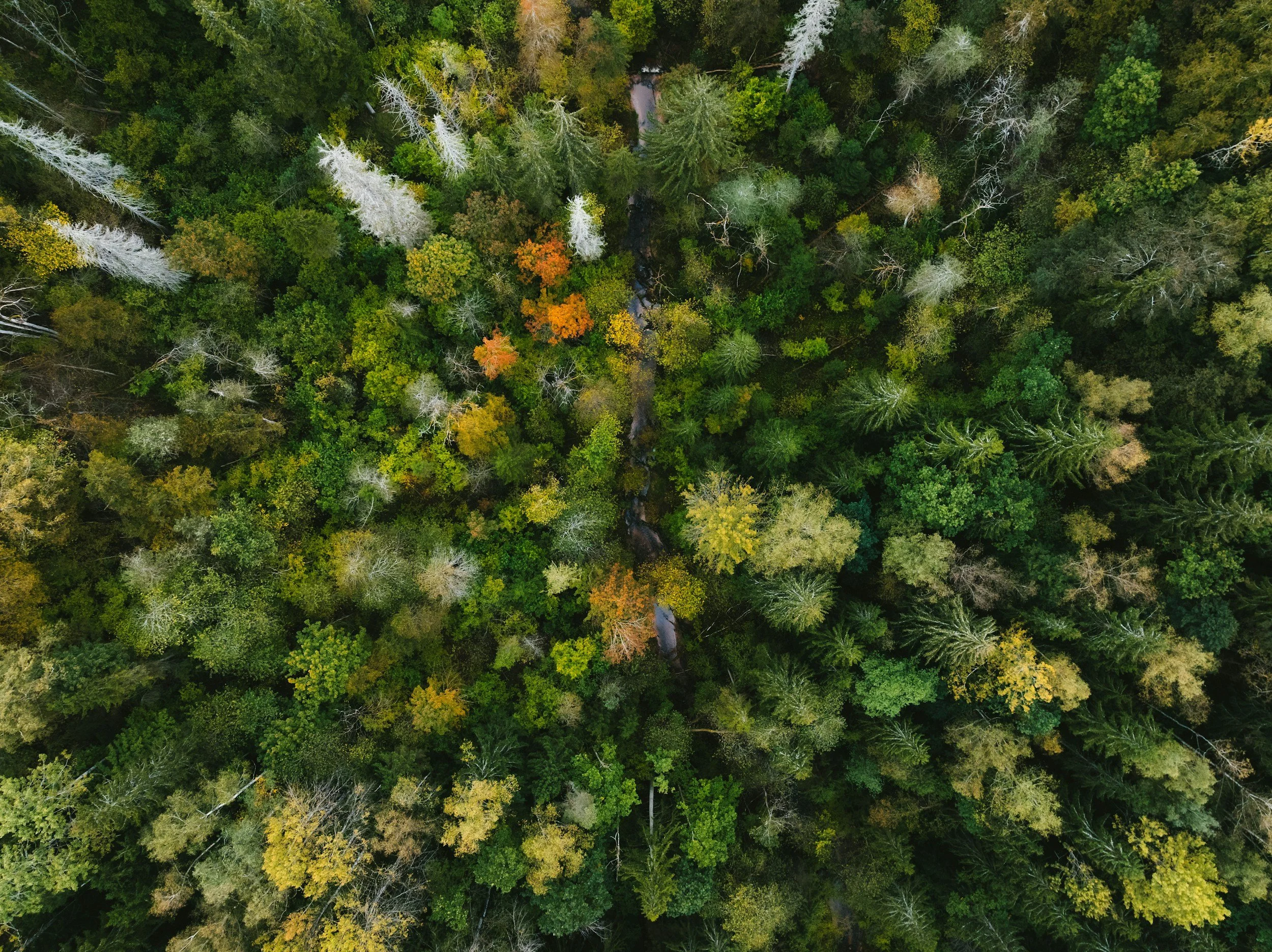
Provide habitat with trees and shrubs
Reduce monoculture grass as much as feasible
Stop using synthetic fertilizers, and replace them with organic or natural fertilizer
Compost your yard waste and kitchen scraps
Start home gardening
Convince your neighborhood to plant street trees (we will help)
The Why:
Climate change
Reduced precipitation
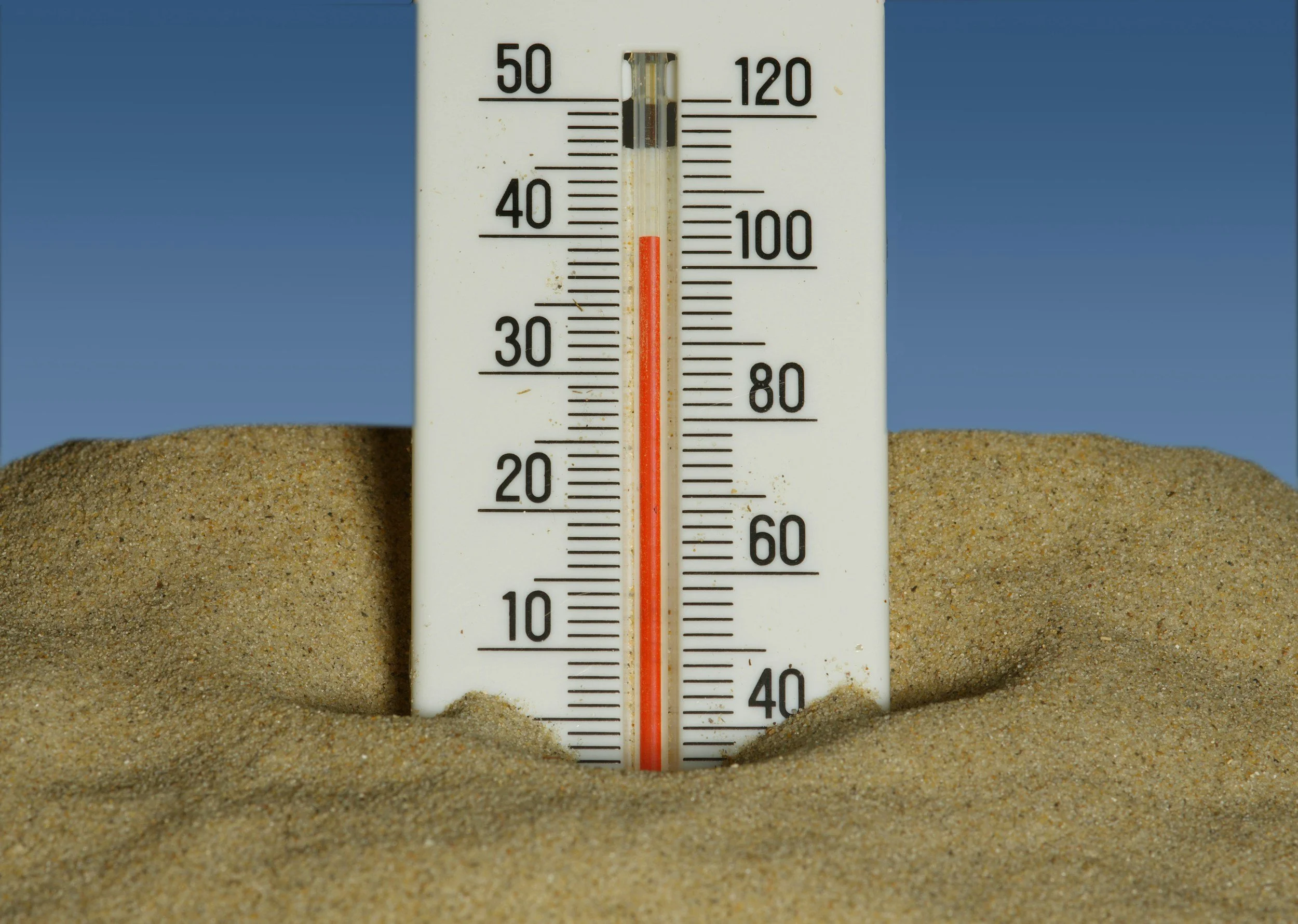
Rising summer heat
Rising shorelines
Heat buildup in city concrete
Rising cost of heating and cooling your home
Carbon in the atmosphere
Our water is polluted by synthetic fertilizers, herbicides, and chemicals
Fish are inedible and dying
Reduced habitat for animals, birds, and pollinators - reduced bee populations
Top soil depletion
Reduction in crop health and nutrition
The Effect:
Your soil becomes a carbon battery and begins to maintain more moisture
You have increase populations of earth worms and micro/macro organisms & nutrients
Your yard is cleaning the air around you and offsetting your carbon footprint by a large margin
You increase time outside because it becomes more comfortable without scorching overhead heat
If the neighborhood joins the effort with street trees, once they mature tall enough the neighborhood enjoys 10-12 degree cooler temperatures during the summer days
The neighborhood spends more time outside and the community becomes tighter instead of bickering on social media about each other
Your garden provides nutritionally rich food due to your new composting and gardening practices, increasing the health of your family
You create wonder in your children (and adults) as they explore all the grows and lives in your new micro environment
Lower utility bills (less cooling and water needed by your lawn)
Your yard becomes more private and you can relax more without feeling like the whole neighborhood is your audience
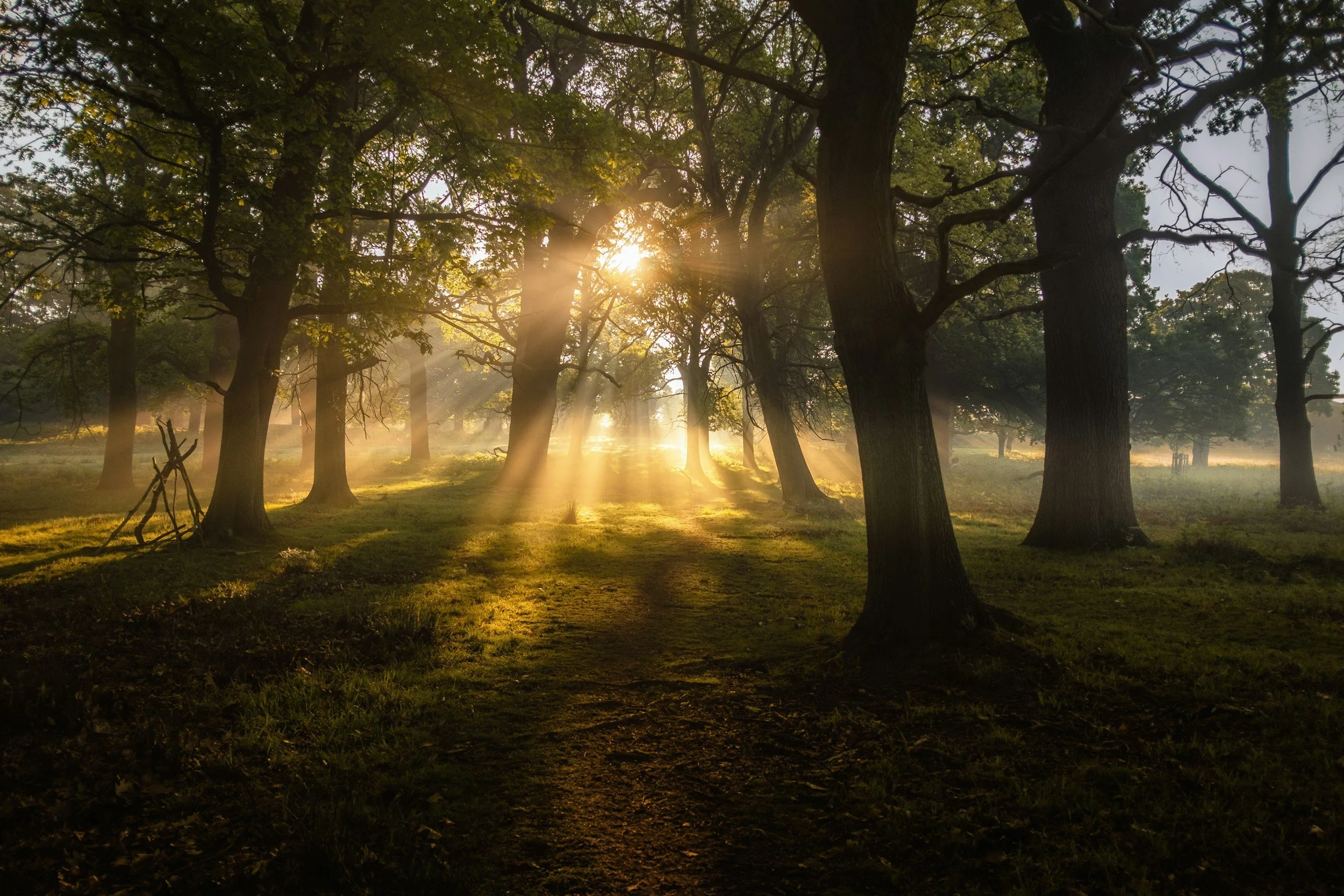
You reap the psychological benefits of being more calm, peaceful, and happy from being surrounded by nature with it’s sights, sounds, and smells
You reap the benefits of grounding when your fee are in contact with that wonderful new nature oasis of yours.
You enjoy the company of like minded people on the same journey as you are on now
You are now part of the solution, not the problem (a few solutions to solve many problems)
I want to point out the ‘what’ is a much shorter list than the ‘why’ and ‘effects’. I’m not promising all these things but there are plenty of studies out there to support them. These are also the types of things reported by people who spend time in nature, especially when they don’t have to travel somewhere to experience it. We are all busy and feel the pressure of limited time. Most of our time is spend around home or within the city or community we live in. That is another reason we should strive to transform where we live into a place of beauty that accomplishes great things at the same time.
We’re not asking everyone to plant their whole yard. Most of us have kids that need enough room to play. This transformation to bring nature and the wild will look different to all of us, but we all have some room for enough natural habitat to make a difference. Don’t worry if the cost is your concern. We can show you ways to get started for free and transform over time. We can tell you about trees that grow 6-7’ a year without getting overly tall, and are resilient to wind. We can tell you what street trees to plant, and help you get your neighborhood involved. The sky is the limit, and the ground is the starting point.
To see more of the transformation preview below, read about it on our project page:
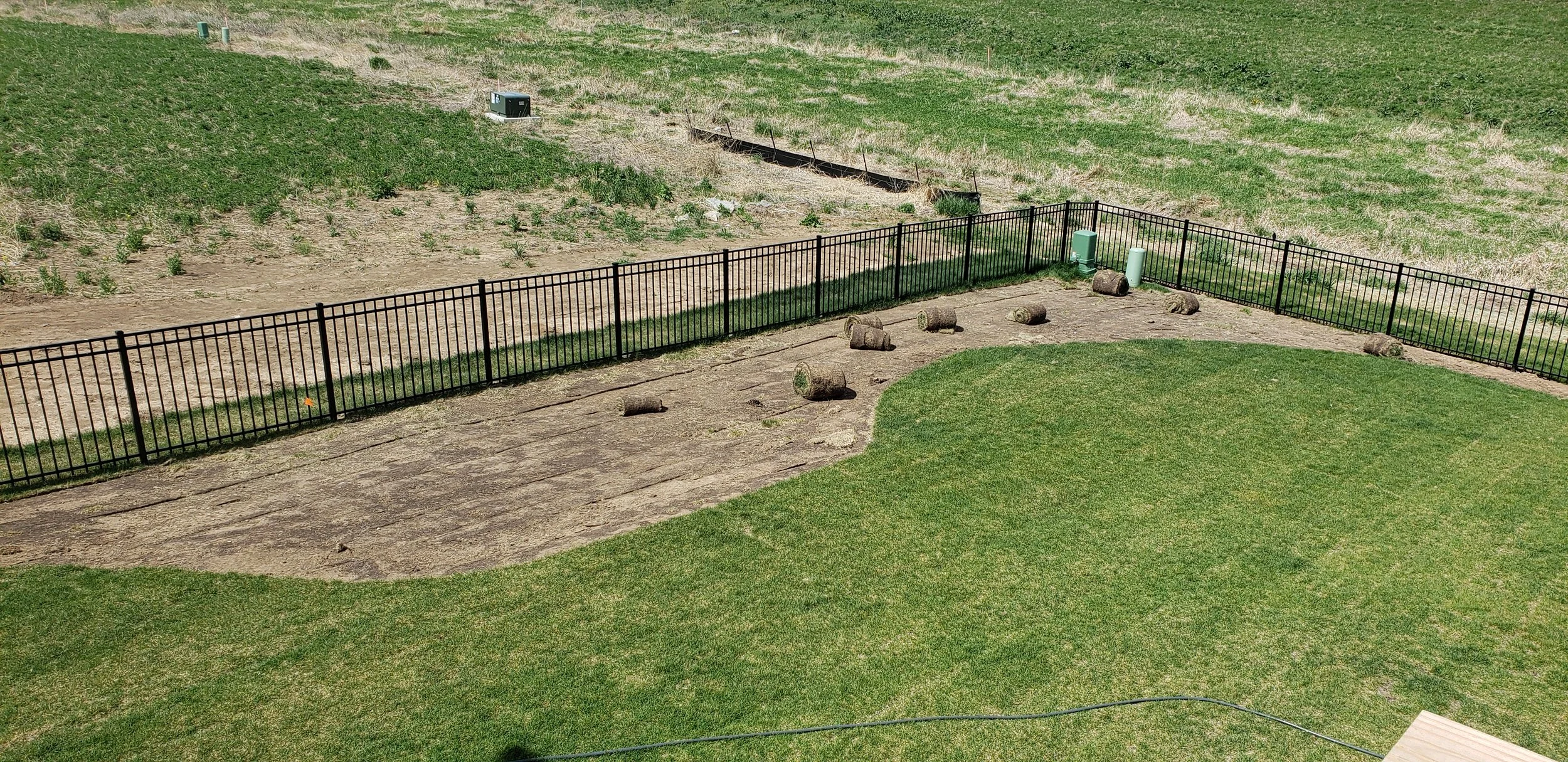
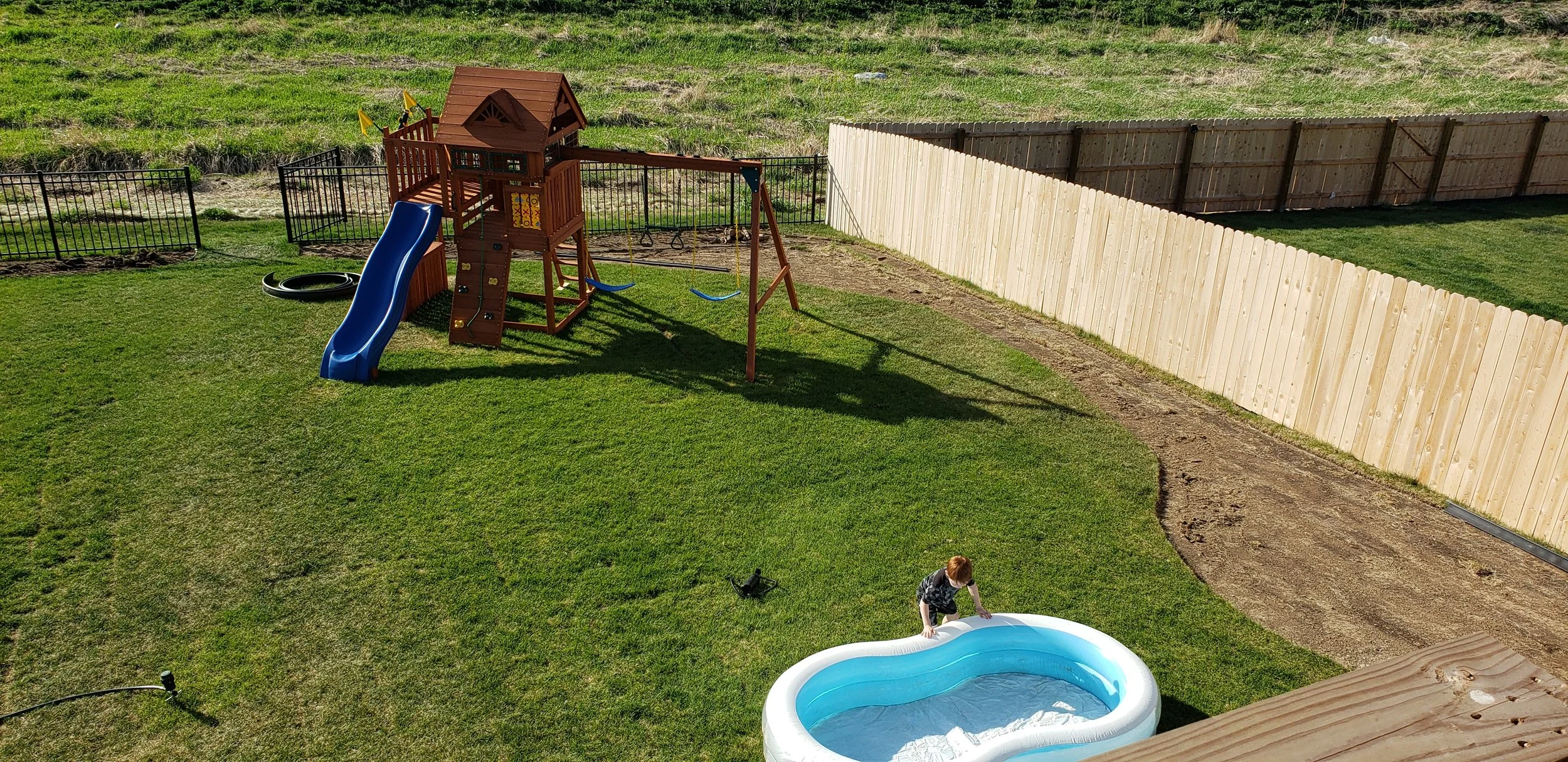
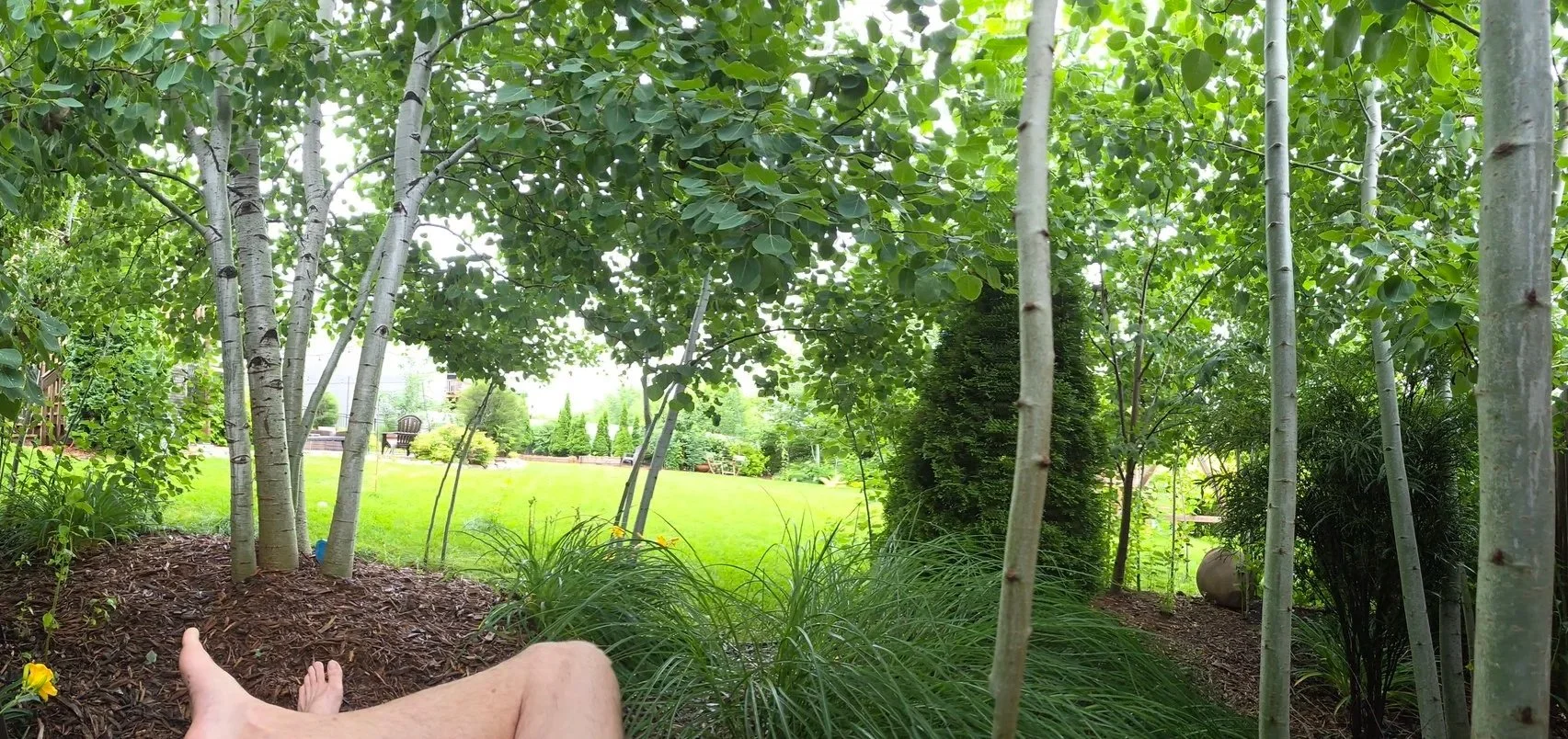
Transformed backyard
Before & After
A Nature Oasis, right at home.
6 years from clay soil/turf to a thriving biodiverse plot of land.
WHO ARE WE?
A community-driven organization working to restore ecosystems and accelerate climate action from property to property and city to city. We believe environmental change begins with ordinary people – and grows through collaboration, education, and measurable impact.
Around the world, vital conservation work is underway. But you don't need to travel across the globe to take meaningful action.
The Urban Rewild Project exists because our local landscapes urgently need transformation, too. By taking action where we live, work, and play, we create immediate, visible impact. Every dollar and hour of sweat equity directly enriches your own community.
We are a non-profit organization committed to hands-on urban environmental restoration - building healthier ecosystems and uplifting the psychological well-being of local families.
About The Founder
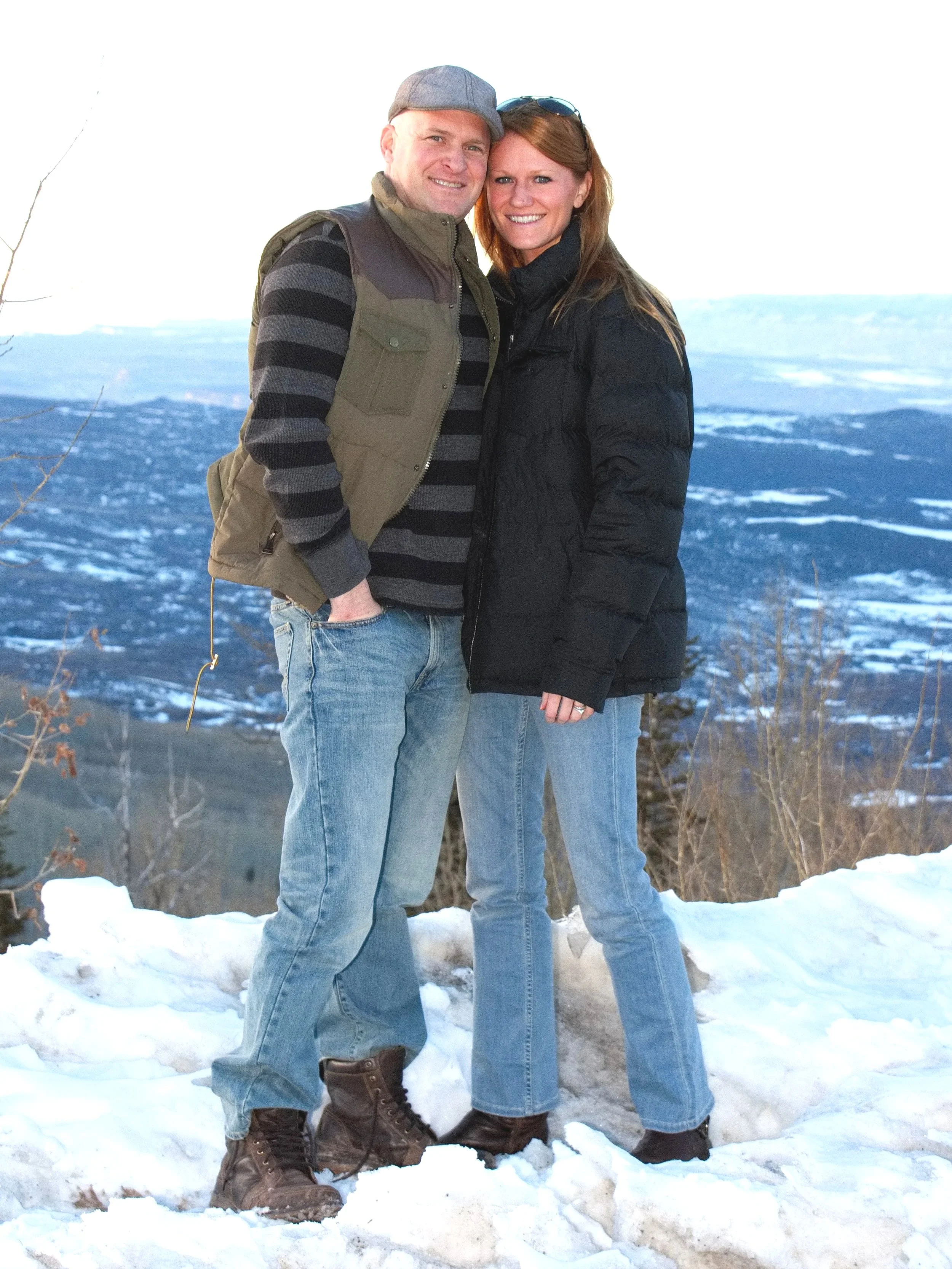
Dave Stock
My love of nature was inspired by my father, Bernie Stock. As I grew up, it didn’t take me long to realize being out in nature was the best medicine when life got overwhelming. As life moved on, I started to ponder why people had natural wonders on their screen savers, but surrounded themselves with blank lawns cordoned off with tall white plastic fences.
It all came together around 2021. While people were isolated from each other suffering psychological stress and not knowing what COVID really meant, I was in a soil genesis course at the University of Nebraska at Omaha as I was finishing off my Geography degree. I learned in depth how the answer to so many problems was right under my feet.
My wife Jocelyn and I try to get out and enjoy nature when we can. But when life is busy, we don’t have to go far. Our yard is an oasis I refer to as a micro nature preserve. As you’ll see in pictures of both our house and our short term rental people can us to be surrounded by nature.
Madagascar
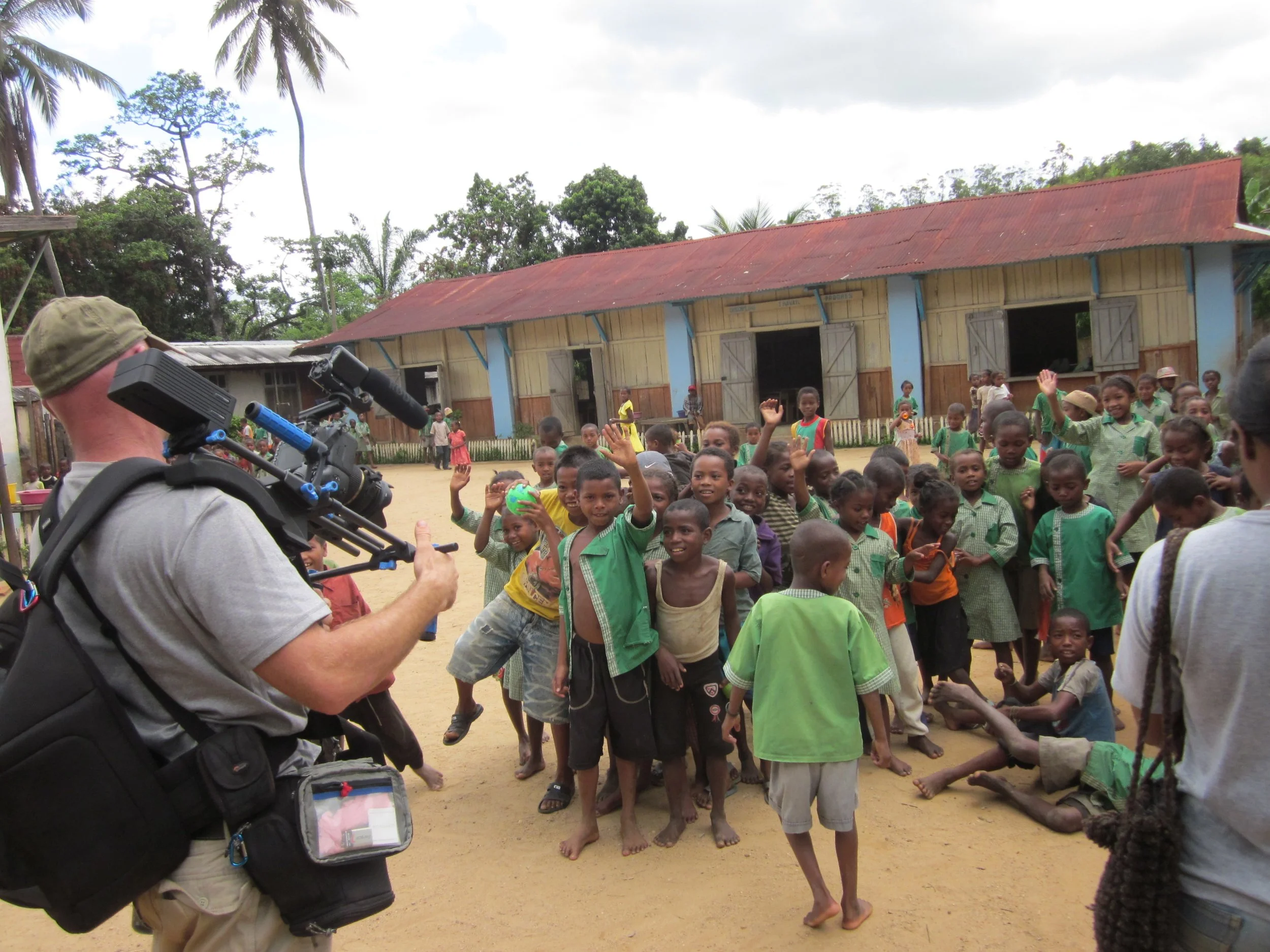
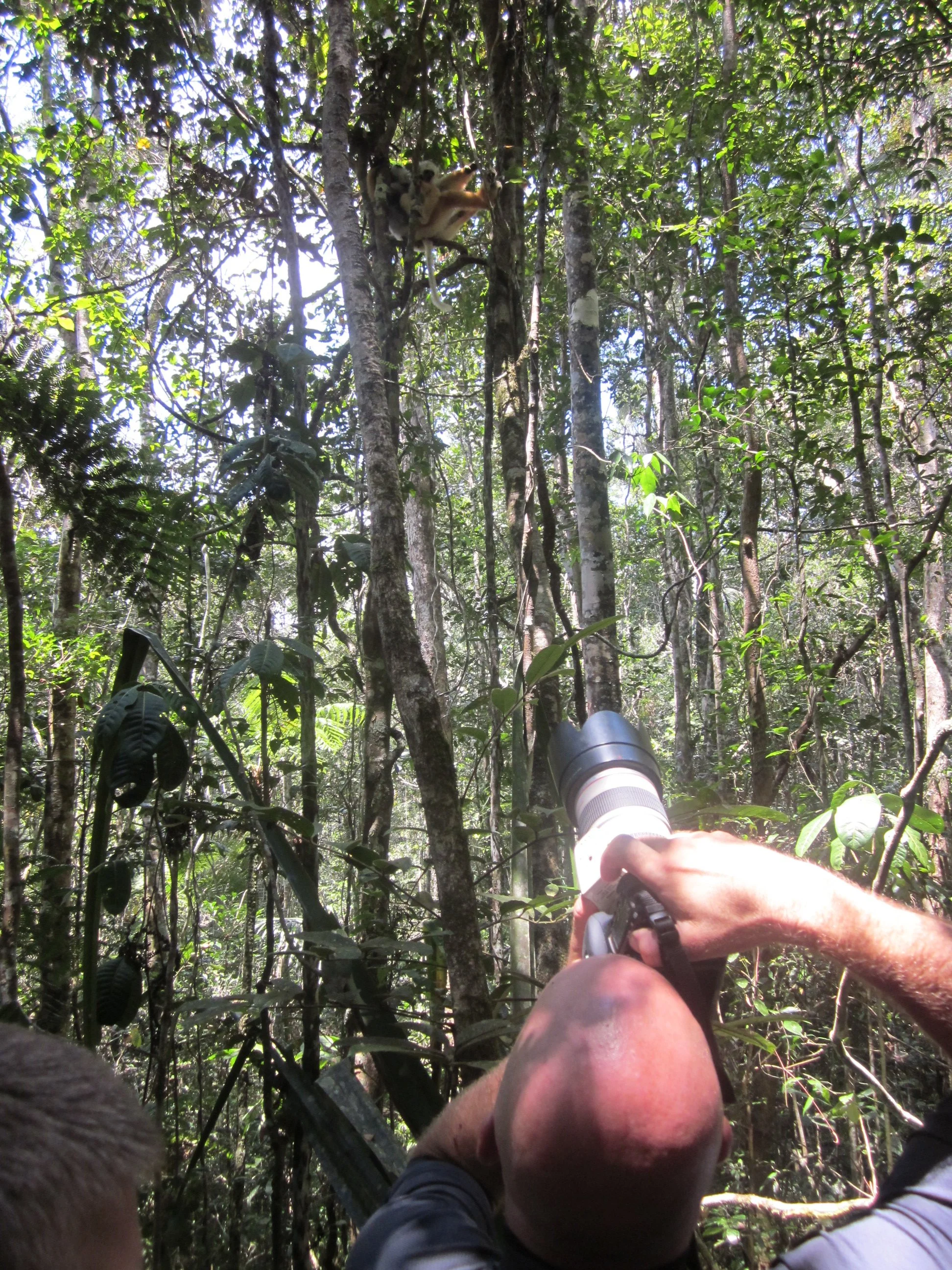
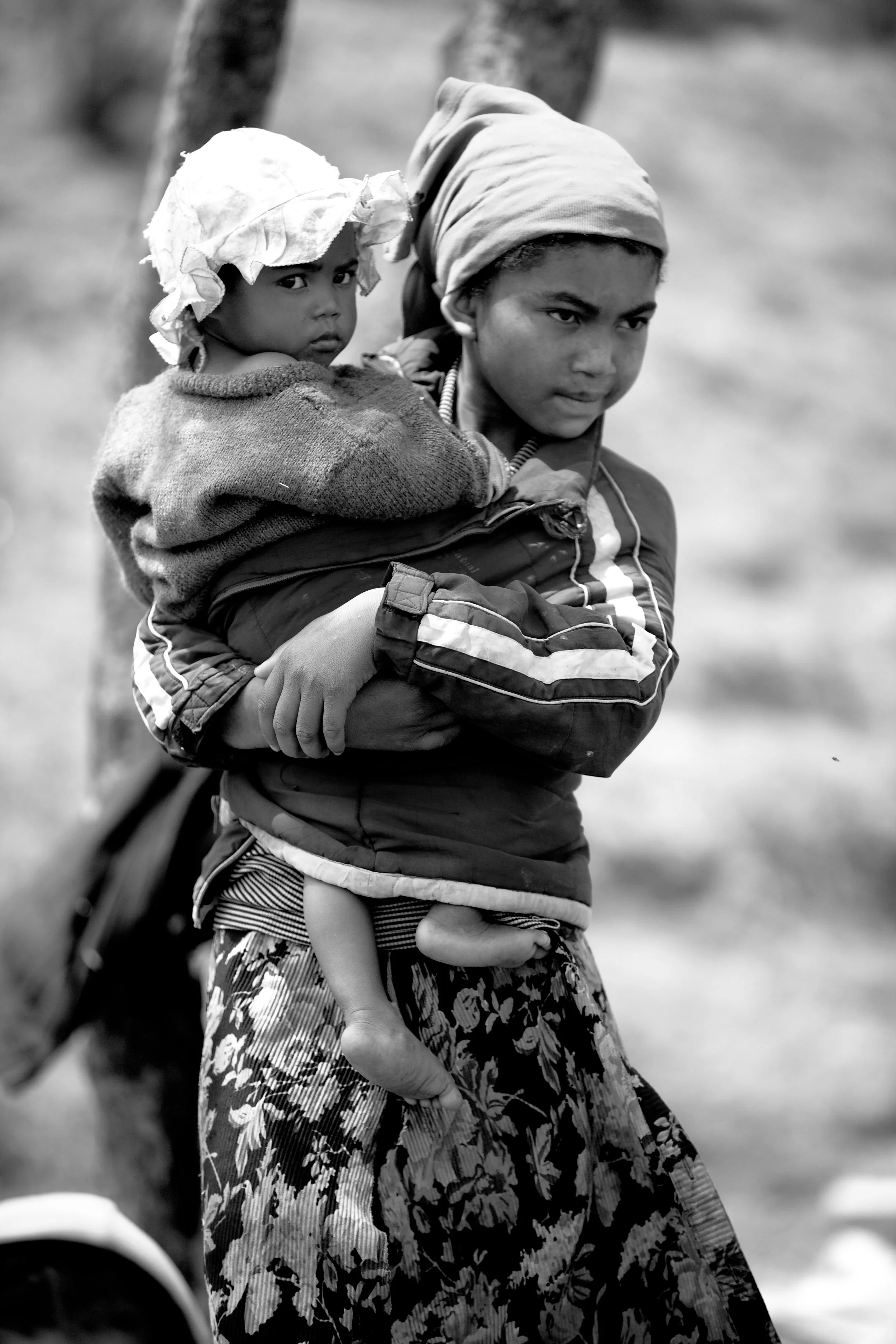
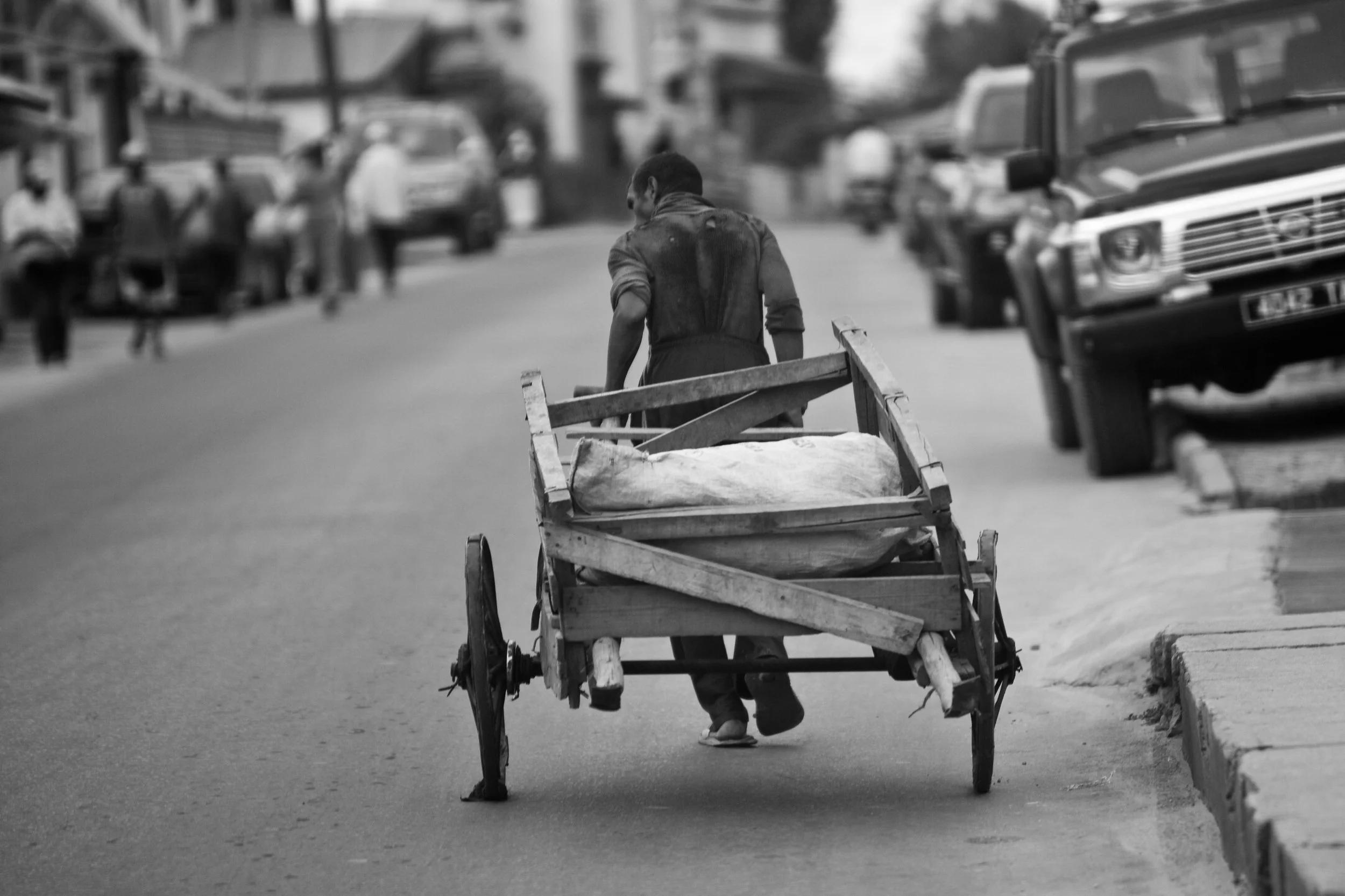
In 2010 I had the opportunity to travel to Madagascar as a photographer for two conservation groups; The Madagascar Biodiversity Partnership and Conservation Fusion. This truly made me aware of serious ecological problems on a global level. All that time, I was figuring out what I wanted to do “when I grew up”. I didn’t realize how I could take the work of these amazing conservation groups and scale them to a local level.
Let’s Work Together
Whether it’s a self funded project at home, or a project you would like The Urban Rewild Project to fund, let us know what you have in mind. We’ll let you know what’s possible from our end, or help with ideas and planning.